Source Badminton Rackets for Clubs, Schools, and Retailers
Explore 30 badminton racket options tailored for outdoor sports and amateur play. Compare models like EZ-WQ24 and EB-S16-1, noting carbon shafts, alloy steel frames, and customizable packaging. Find suitable gear for beginners and professionals with varying pull pound recommendations; compare the available evidence and request quotations based on your requirements.
Key considerations
Products List




Comprehensive Sourcing Guide
Badminton Racket Sourcing Guide
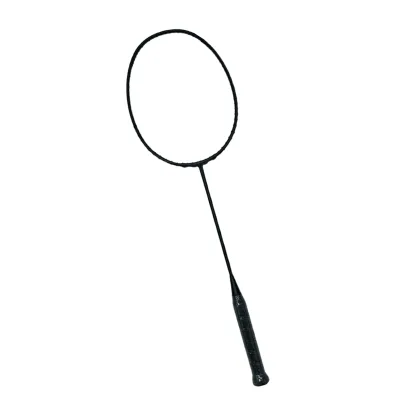
Buyers must first distinguish between single rackets and complete sets when evaluating listings, as the observed data includes both "Badminton Racket" units and "Badminton Speed Racket Set" configurations. The product scope extends to outdoor playing purposes, with specific models like the EZ-WQ24 and EZ-HW016 indicating distinct design variations for different user needs. Understanding whether a supplier offers a standalone racket or a full set is critical for aligning inventory with specific market demands, such as recreational clubs versus professional training centers.
The observed market signals reveal a significant variation in minimum order quantities, ranging from 300 units for specific models to 3000 units for broader categories. This disparity suggests that suppliers segment their offerings based on production complexity and customization requirements. Procurement teams should verify if the requested model allows for customization, as the data confirms this is available for many items, potentially influencing the final unit cost and the feasibility of smaller initial orders for new market entrants.
Product Scope and Observed Listing Signals
When analyzing product listings, buyers should note that the core keyword encompasses various configurations, including specific models like the EZ-PPQ007 and the EB-S16-1, which feature distinct packaging options like carry bags or net bags. The presence of "Customizable" as a model number indicates a high degree of flexibility in the supply chain, allowing buyers to tailor products to specific branding or functional requirements. This variability requires careful review of the specific product name and purpose to ensure the item matches the intended application, whether for general outdoor sports or specialized training.
The observed price range of 0.11 to 42.7 USD highlights the extreme variance in product positioning, likely driven by material composition and brand differentiation. While some entries list basic materials like alloy steel and nylon, others specify carbon shafts and PU grips, which command higher price points. Buyers must correlate the listed price with the specific material attributes to avoid underestimating costs for premium equipment or overpaying for entry-level gear, ensuring the selected product aligns with the target demographic's budget and performance expectations.
Technical Specifications to Verify
Technical verification begins with confirming the physical dimensions and weight, as observed standards vary from 42cm to 685cm in length and weights around 85g for specific models. The data indicates that shaft materials can range from alloy steel to carbon, directly impacting the racket's stiffness and durability. Buyers should request detailed specifications for the shaft material and grip size, such as the 4-inch grip observed in certain listings, to ensure the equipment meets the ergonomic needs of the intended user group, particularly for junior or senior amateur players.
Performance characteristics, including recommended pull pounds and racket hardness, are essential for matching equipment to player skill levels. The observed data suggests a spectrum from 20-23 lbs for low-pound amateurs to 28 lbs for high-pound professionals, alongside hardness options ranging from soft to hard. Procurement teams must verify that the specific model selected supports the required tension range and hardness profile, as mismatched specifications can lead to poor player performance and increased product returns, especially when targeting specific ability levels like beginners or advanced competitors.
Compliance and Safety Documentation
While the supplied facts do not explicitly list specific safety certifications, buyers must ensure that all imported badminton rackets comply with the destination market's safety regulations regarding materials and construction. The use of materials like nylon, PU, and carbon requires verification that they meet local standards for toxicity and durability, particularly for products intended for children or high-intensity play. Sourcing teams should request material safety data sheets and proof of compliance with relevant international standards before finalizing any order to mitigate legal and reputational risks associated with non-compliant goods.
Documentation regarding the origin of the product is equally critical, as the observed data confirms a primary origin of China. Buyers should verify that the supplier can provide accurate country-of-origin labeling and any necessary export documentation required by customs authorities in the destination country. Ensuring that the packaging and labeling meet local regulatory requirements prevents delays at the border and ensures that the product can be legally sold to end consumers without facing penalties or seizure by regulatory bodies.
Cost Drivers and Commercial Terms
The minimum order quantity is a primary cost driver, with observed ranges spanning from 300 to 3000 units, significantly affecting the per-unit economics of the purchase. Suppliers with higher MOQs often offer lower unit prices, but this requires buyers to have sufficient storage capacity and sales velocity to justify the volume. Procurement strategies should focus on negotiating MOQs that balance cost efficiency with inventory risk, potentially leveraging the availability of customization to secure more favorable terms for smaller initial batches.
Customization options, such as custom packaging and branding, introduce additional costs that must be factored into the total landed cost. The data indicates that customization is available, which can include specific bag types or model modifications. Buyers should clarify the cost implications of these customizations early in the negotiation process, as they can substantially increase the base price. Understanding the trade-off between standard and customized products is essential for maintaining profit margins while meeting specific market demands.
Supplier Qualification and Quality Control
Supplier qualification should prioritize those who demonstrate clear capabilities in customization and offer a diverse range of models, such as the EZ series and Haixun. The ability to provide specific product names and models like the EB-S16-1 suggests a mature supply chain capable of meeting varied client needs. Buyers should assess the supplier's production capacity and history of delivering consistent quality, ensuring they can handle the required order volumes without compromising on the structural integrity of the rackets or the quality of the materials used.
Quality control protocols must be established to verify that the physical attributes, such as grip material and shaft composition, match the agreed specifications. Given the variation in materials from alloy steel to carbon, regular inspections are necessary to confirm that the final product meets the stated hardness and weight requirements. Implementing a rigorous pre-shipment inspection process helps identify defects early, ensuring that the delivered goods align with the technical specifications and performance expectations outlined in the initial product scope.
Long-Term Procurement Checks
Long-term procurement success depends on maintaining a stable relationship with suppliers who can consistently deliver on customization and quality promises. Buyers should regularly review supplier performance against key metrics such as lead times, defect rates, and adherence to agreed-upon specifications. Establishing clear communication channels and regular quality audits ensures that any deviations in product attributes, such as changes in grip size or material composition, are addressed promptly before they impact the supply chain.
Market trends and product evolution require ongoing monitoring to ensure the sourced badminton rackets remain competitive. As the observed data shows a wide range of models and purposes, buyers must stay informed about new product developments and shifting consumer preferences. Regularly updating the product portfolio to include the latest models and materials ensures that the procurement strategy remains agile and responsive to market demands, securing a sustainable competitive advantage in the long term.
FAQs
What customization options are available for badminton rackets?
Customization is available for badminton rackets, allowing buyers to tailor products to specific needs. Options include custom packaging such as carry bags, net bags, or branded cartons. The product name and model numbers like EZ-WQ24 can be adapted. This flexibility supports branding efforts and ensures the final goods meet the exact requirements of the purchaser for outdoor sports use.
What is the typical MOQ for badminton racket orders?
The minimum order quantity varies by product model, typically ranging from 300 to 3000 units. Specific models like the EB-S16-1 have an MOQ of 300, while others may require 1000 or 2000 units. Buyers should check the specific model details to determine the exact threshold. This range accommodates both smaller trial orders and larger bulk purchases for distribution.
Which materials are used in badminton racket construction?
Badminton rackets are constructed using various materials including carbon, alloy steel, and nylon. The shaft material is often carbon for performance, while grips may use PU. Some sets incorporate nylon for durability. These materials are selected to balance weight, strength, and flexibility, ensuring the rackets are suitable for outdoor playing and meet the needs of beginners to professionals.
How are badminton rackets packaged for shipping?
Packaging options include carry bags, net bags, or custom packaging solutions. Standard packing often involves plastic bags combined with cartons for protection. The dimensions of the packaging vary by model, such as 66cm by 20cm by 3cm. Custom packaging is available to enhance brand visibility and ensure safe transit of the rackets to the destination market.
What are the recommended pull pounds for different skill levels?
Recommended tension varies by skill level. Beginners and juniors should use 20-23 lbs for low to medium pound control. Amateur seniors may prefer 25-27 lbs for medium to high pound performance. Professionals can handle 28 lbs for high pound power. Selecting the correct tension ensures optimal playability and prevents damage to the racket strings or frame during use.
Where are these badminton rackets manufactured?
These badminton rackets are manufactured in China. The origin is clearly stated as China for all listed models. This location is a major hub for sports goods production, offering competitive pricing and extensive manufacturing capabilities. Buyers can rely on established supply chains from this region to source high-quality rackets for various markets and distribution channels.